
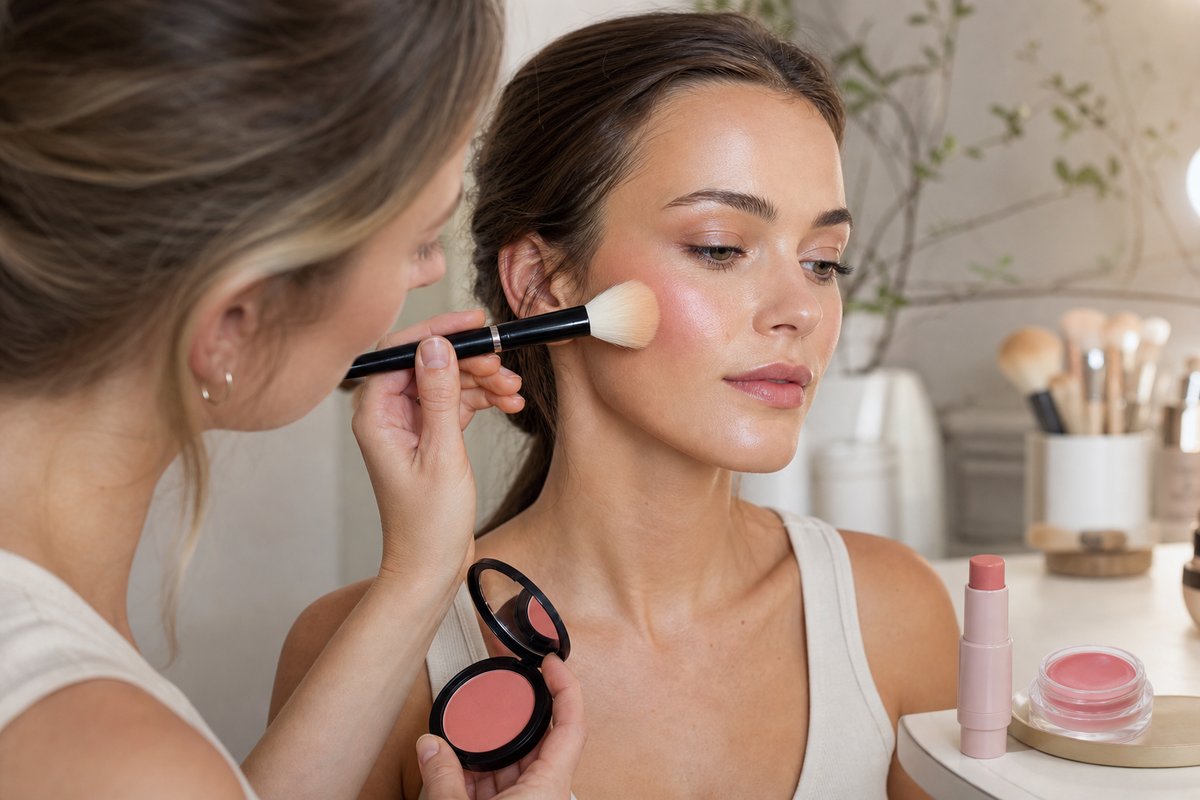
Blush used to be a much simpler category, with pressed powder as the default option in most makeup bags. Today, the cheek-color aisle is far more crowded, offering powders in multiple finishes alongside creams, gels, stains, and unusual hybrid textures that bounce back when pressed. According to the report, that variety is exciting, but it can also make it harder to know which formula suits your routine and how to apply it well.
Makeup artists say there is no single best blush type. The right choice depends on the effect you want, whether that is a subtle flush or a more dramatic wash of color. Some formulas are easy to use and forgiving, while others require quicker blending or a bit more technique. To clarify the differences, artists broke down the major blush categories and shared how each one performs on the skin.
Pressed powder remains the most versatile option
Pressed powder blush is described as the most adaptable format, with finishes that range from matte and satin to luminous and shimmer. It can be used on bare skin, over foundation, or on top of set makeup, as long as the base is not still wet. Artists note that it is easy to control, buildable, and beginner-friendly, with wear time that can last through much of the day. It can also help set cream or liquid blush underneath for longer-lasting color.
For application, the advice is to start with a small amount and add more only if needed. A fluffy blush brush is recommended, with color swept onto the apples of the cheeks and blended upward toward the temples for a lifted look. Some artists also like to add a touch across the bridge of the nose. Powder blush can also be layered over cream or liquid formulas once they have dried down, which can make the color appear more opaque.
Cream blush has become another favorite because it blends easily into the skin and can look fresh, dewy, or satin depending on the formula. Artists point out that many cream blushes include skin-care ingredients such as squalane and peptides, and they can be especially flattering on mature skin because they do not emphasize texture the way some matte powders can. The tradeoff is that creamy formulas may fade faster unless they are set with powder.
Application is flexible: fingertips, a damp sponge, a dense brush, or a stick applied directly to the face can all work. Some artists prefer fingertips because the warmth helps the product melt into skin and gives more control. Others recommend picking up product with a brush instead of swiping directly from the stick, especially when foundation is already in place, because it offers more precision and helps protect the base underneath. For a softer, more natural finish, one artist suggests trying the product under foundation.
Source: allure.com