
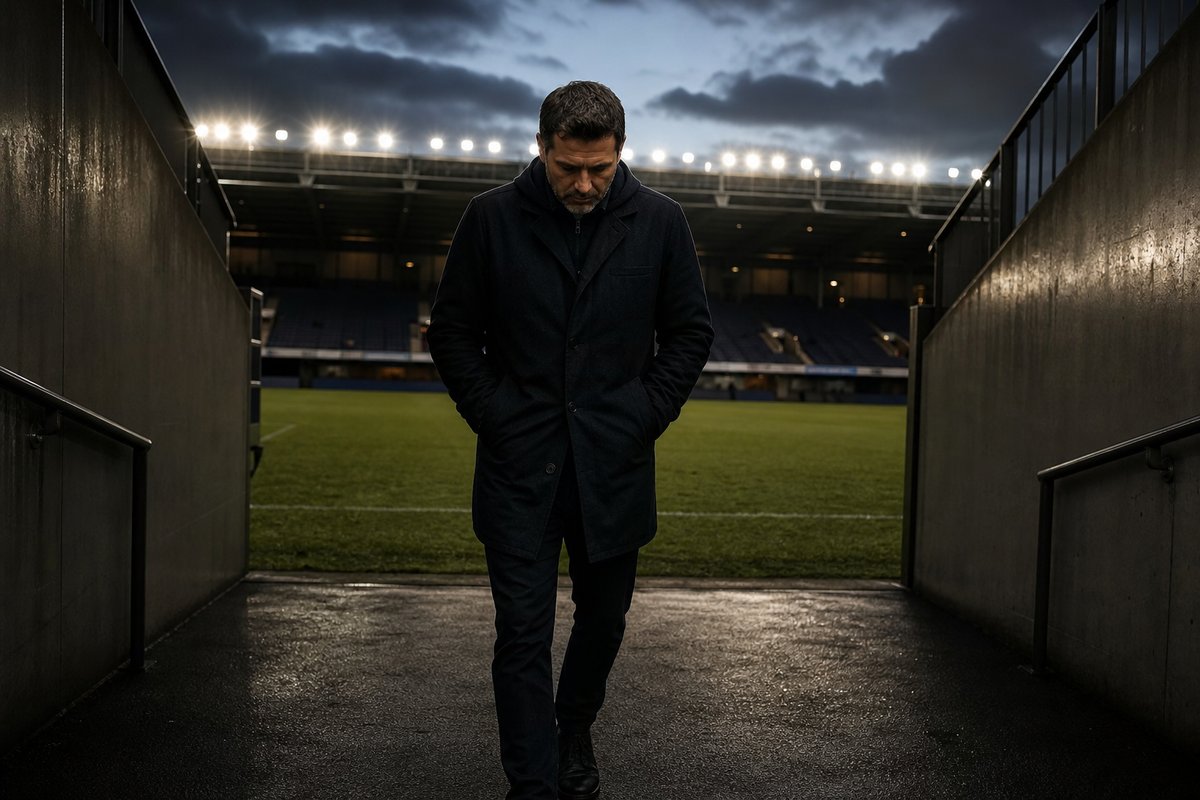
Eddie Howe’s exit from Newcastle United has arrived at a moment when the club’s long-term ambition feels harder to see clearly. Only months ago, chief executive David Hopkinson was talking up a future in which Newcastle could be part of the conversation about the world’s top clubs by 2030. But after a disappointing Premier League campaign, a quiet transfer window and the manager’s decision to move on, that goal now looks much further away.
According to the report, Newcastle finished 12th in the league, while their summer dealings were shaped by the need to raise money before they could strengthen. That has already led to the sale of major names, including Anthony Gordon and Sandro Tonali, with Bruno Guimaraes also the subject of exit talk. The club had previously sold Alexander Isak to Liverpool for £125m last September, but incoming business has not matched the level of departures. Newcastle also missed out on Johan Manzambi and Victor Munoz, adding to the sense that the squad is not being built as quickly as hoped.
Howe’s spell in charge will still be remembered warmly by supporters, especially after he ended Newcastle’s 70-year wait for a domestic trophy by winning the Carabao Cup last year. Even so, there had been growing uncertainty for some time. Newcastle were 13th at the start of the year, Champions League qualification already looked unlikely, and a series of setbacks followed, including defeat to Sunderland in the Tyne-Wear derby, exits from the FA Cup and Champions League, and a heavy EFL Cup semi-final loss to Manchester City. The timing of his departure has surprised many fans, particularly because it came partway through pre-season rather than at the end of the campaign.
The bigger issue, though, is what Howe’s exit suggests about the limits of Newcastle’s project under football’s financial rules. Profit and Sustainability Rules have restricted their spending since the PIF takeover in 2021, despite the club’s wealthy ownership. After spending £404.7m in the first three years under PIF and bringing in only £50.4m through sales, Newcastle were forced to make difficult decisions, including letting Elliot Anderson leave for Nottingham Forest. The newer Squad Cost Ratio rules are designed to tie spending more closely to club income, and analysis cited in the report placed Newcastle’s budget capacity ninth in the Premier League. That backdrop has fueled questions about whether the Saudi-backed project is beginning to slow down rather than accelerate.
Source: bbc.co.uk