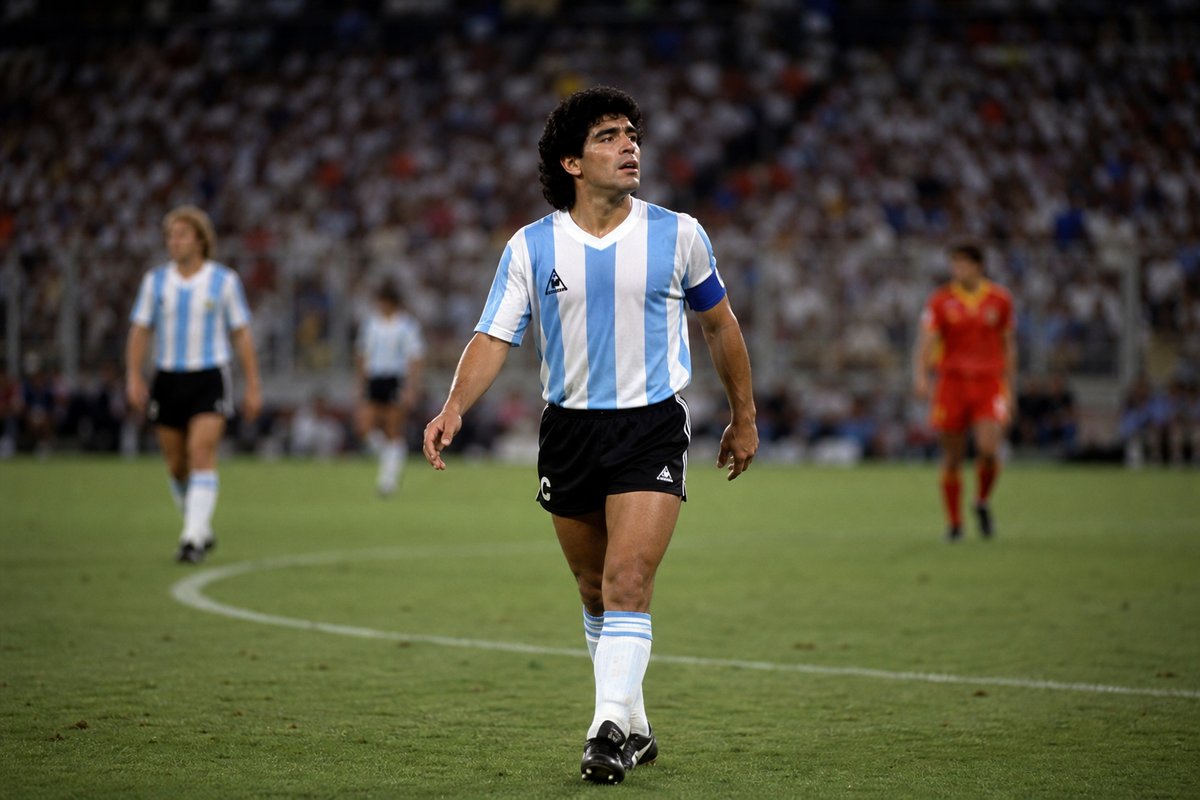
If Argentina are going to become only the third men’s team to defend a World Cup title, Lionel Messi is expected to be at the heart of it. The 39-year-old has been one of the standout figures at his sixth World Cup, matching the tournament record set by Cristiano Ronaldo and Guillermo Ochoa, and he has already delivered eight goals and three assists. He also leads the Golden Boot race alongside France forward Kylian Mbappe.
The version of Messi on display now is very different from the teenager who debuted for Barcelona in 2003. According to the report, he has become less of a sprinter and more of a creator, producing 33 shots and 21 chances at this tournament — the highest combined total since Diego Maradona in 1986. He has done so while walking for 47% of the distance he has covered, the highest share of any outfield player, and he is averaging just 8.2 kilometres per 90 minutes, the lowest among Argentina outfielders who have played at least 20 minutes. His sprint count is also down to 2.7 per match, compared with 5.3 at the last World Cup.
Argentina’s semi-final against England in Atlanta will again put the spotlight on Messi, who has scored 16 goals and provided seven assists across his past 15 World Cup appearances. The report notes that only Poland have managed to prevent him from scoring or assisting in one of those matches. Over the course of his career, Messi has repeatedly reshaped his game, moving from a right-sided dribbler to a central figure and then into the false-nine role that became one of football’s defining tactical shifts under Pep Guardiola at Barcelona.
That change helped turn him into a system-breaker. The report recalls how Guardiola first moved him away from the wing for defensive reasons before building the team around him in the middle, with the 2009 match against Real Madrid cited as the moment the false nine truly came to life. From there, Messi’s influence only grew, with his goalscoring numbers soaring and his Ballon d’Or collection eventually reaching eight. His evolution, the report suggests, has been less about slowing down than about finding new ways to stay decisive at the highest level.
Source: bbc.co.uk