
As concern grows over how the internet affects children, governments have responded with stricter age checks, bans for minors, and new child-safety legislation. In the U.S., the House recently passed the Kids Internet and Digital Safety Act, while a separate Pew Research Center survey found that more than half of Americans support banning social media for anyone under 16. The broader mood, according to the report, is that online life has become a public health problem requiring urgent action.
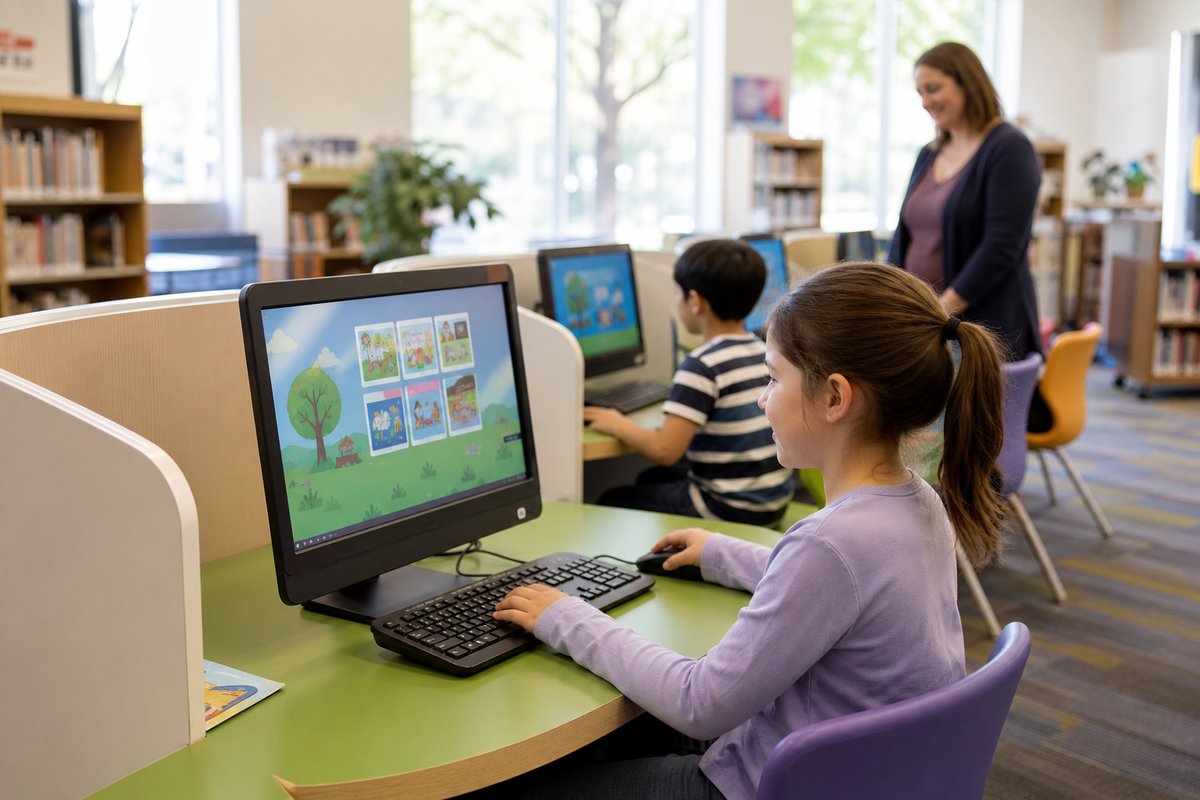
But one answer, the piece argues, is to improve the internet children use rather than simply wall them off from it. The idea is to impose a tax on major tech companies and use the money to build what the article calls a “children’s public internet” — a network of nonprofit, kid-centered services that would be open to young users and designed without a profit motive.
The concept is not meant to be a fully separate digital universe. Instead, it is compared to earlier public-interest efforts such as children’s television and to proposals for a “public lane” on the internet. Under this model, grants could support a wide range of projects: a library-run, community-moderated social platform for minors, a non-monetized version of Roblox, an ad-free news and learning site for children or teens, tools for reverse age verification that protect privacy as much as possible, local family activity portals, or volunteer-moderated forums for kids’ hobbies and crafts.
The article emphasizes that these services could take many forms, be run by institutions or individuals, and be built by adults or minors. They could serve small communities or broader audiences. The central argument is simple: if policymakers are worried about the harms of the commercial internet, they should also consider funding better alternatives for children instead of focusing only on restrictions.
Source: theverge.com