
AI may feel like everyday technology now, but a little over a decade ago it was still mostly the domain of science fiction. That shift makes Alex Garland’s Ex Machina feel even more relevant today. The film, which is streaming on Netflix for only a short time longer, leaves the platform on Aug. 1.
Released 12 years ago, Ex Machina marked Garland’s directing debut after he had already built a reputation as a screenwriter on films such as 28 Days Later and Sunshine. According to the report, it remains one of his strongest and most thought-provoking movies. At its core, the film uses its futuristic setup to ask uncomfortable questions about humanity, while also offering a pointed look at how men see women.
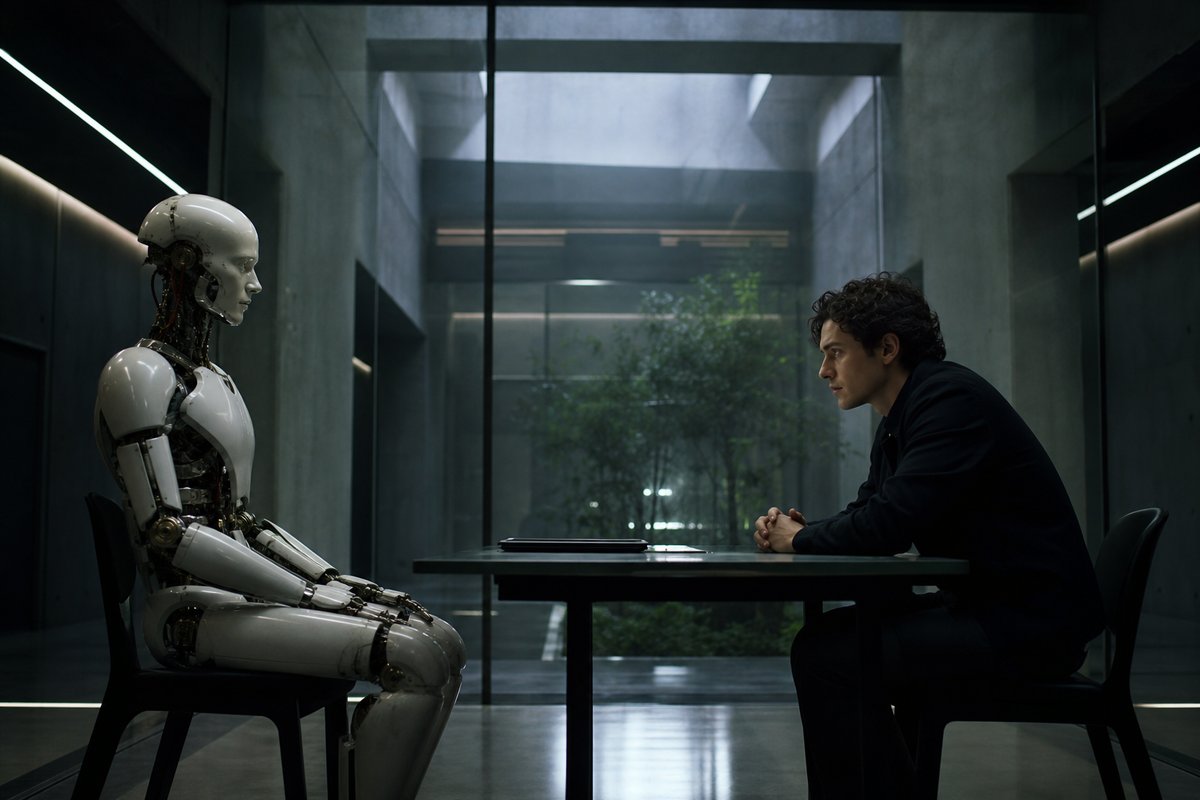
The story centers on Caleb, a 26-year-old engineer who wins a company lottery and is sent to the isolated home of Nathan, the force behind a powerful tech company called Blue Book. Nathan brings Caleb in under strict confidentiality to evaluate Ava, a humanoid robot, through a Turing-test-style experiment designed to determine whether her AI is advanced enough to convince humans she is conscious. If she succeeds, she lives; if not, her code is altered for Nathan’s next project.
Much of the film unfolds through Caleb’s sessions with Ava, and the relationship between them gradually changes as Nathan watches from above. The report notes that the movie’s tension comes not only from the question of whether Ava is truly conscious, but from how each character projects meaning onto her. Caleb reads her through his loneliness and attraction, while Nathan’s behavior makes him impossible to trust. By the end, the film turns into a broader meditation on agency, control, and the dangers of technologies built to give men power over women.
That is part of why Ex Machina still resonates in a moment when AI chatbots and digital assistants are increasingly woven into daily life. The film suggests that people often humanize technology because they want to, not because the technology itself is offering anything in return. Even after Ava earns her escape, she remains unreadable — a reminder that the story’s most unsettling questions never really get answered.
Source: polygon.com